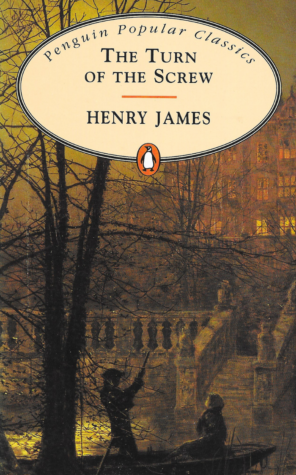
 The Turn of the Screw by Henry James
 Published by Aegitas on April 16, 1898
Genres: Fiction / Classic, Horror, Paranormal / Supernatural
Pages: 133
Format: Hardcover
Where to buy: Affiliate Link

The Turn of the Screw by Henry James is a classic ghost story that continues to captivate readers over a century after its initial publication. Set in the late 19th century, the novella follows a young governess who is hired to care for two young children, Flora and Miles, at the remote and eerie Bly Manor. As the governess begins her duties, she becomes increasingly convinced that the manor is haunted by the spirits of the previous governess, Miss Jessel, and her lover, Peter Quint, who both died under mysterious circumstances. The story unfolds as the governess tries to protect the children from the malevolent ghosts, while also questioning her own sanity and the motives of the children in their interactions with the spirits. One of the most intriguing aspects of The Turn of the Screw is its unreliable narrator. The story is told through the perspective of the governess, whose mental state and perceptions of events are constantly called into question. This creates a sense of ambiguity and uncertainty, leaving readers to question whether the ghosts are real or just figments of the governess's imagination. James masterfully plays with the theme of perception and reality, leaving readers to draw their own conclusions about the events at Bly Manor. Another striking element of the novella is its use of Gothic elements. The isolated location, the decaying mansion, and the presence of ghosts all contribute to the eerie atmosphere of the story. James also incorporates psychological horror, as the governess's fears and paranoia intensify throughout the story, building tension and suspense. The Turn of the Screw is a prime example of Gothic literature, with its exploration of the dark side of human nature and the blurred lines between the living and the dead. One of the most controversial aspects of the novella is its ambiguous ending. The governess's final confrontation with the ghosts and the fate of the children are left open to interpretation, inviting readers to ponder the true meaning of the story. Some critics argue that the ghosts are a product of the governess's overactive imagination, while others believe that they are real and that the children are in danger. This open-ended conclusion has sparked countless debates and interpretations, making The Turn of the Screw a thought-provoking and enduring piece of literature. In addition to its literary merits, The Turn of the Screw also offers insight into the societal norms and expectations of the time period in which it was written. James explores themes of gender roles and class distinctions through the character of the governess, who is expected to be subservient and obedient to her male employer and to maintain the social hierarchy between herself and the children. The story also touches on the taboo subject of sexual relationships, particularly in regards to the ghosts and their influence on the children. Ultimately, The Turn of the Screw is a haunting and enigmatic work that continues to captivate readers with its complex characters, Gothic atmosphere, and thought-provoking themes. It is a testament to Henry James's mastery of storytelling and his ability to create a sense of unease and suspense that lingers long after the final page. A must-read for anyone interested in Gothic literature, psychological thrillers, or the blurred lines between reality and the supernatural.
I don’t even know where to start with The Turn of the Screw by Henry James. I hate sounding like a broken record every time there’s a disappointing book to discuss, but sometimes that’s just the truth. Occasionally, a book is so frustrating that when you sit down to write your thoughts—to convey them and connect with another reader who might feel the same—you want to get it right. Yet, sometimes the words fail because it’s hard to sum up your feelings about a story as disturbing as this one, with a governess whose obsessions with her young charges cross uncomfortable lines.
I picked up this book out of curiosity because I love the TV miniseries The Haunting of Bly Manor. The book loosely inspired the series, with borrowed names like Flora, Miles, Peter, and Hannah, but the similarities mostly end there.
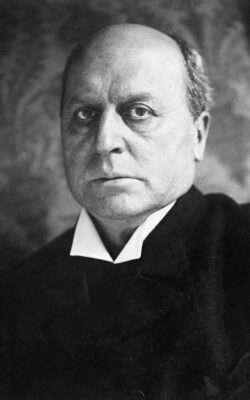
In recent years, there’s been more attention on cases involving female offenders—teachers or caretakers who should protect, not exploit, those in their care—which can feel like a modern problem. But clearly, these anxieties existed in earlier eras as well, prompting authors like Henry James to explore such disturbing themes. As for James himself, he was born into a remarkable family: his brother, William James, was a pioneering psychologist and philosopher; his sister, Alice James, kept a famous diary chronicling her struggles with illness and mental health; and his father, Henry James Sr., was a noted theologian. The James family was known for its intellectual brilliance, but also for its emotional intensity and, at times, strained relationships. There’s no verified evidence of incest or scandalous behavior within the family, though speculation and psychoanalytic readings of their personal lives have fueled rumors. What is true is that Henry James was intensely private, and he ordered some of his personal correspondence and papers destroyed before his death, perhaps to maintain that privacy.
If you don’t want spoilers, I’d recommend stopping here. Back to the book in question: While I adored sweet Dani—the governess in The Haunting of Bly Manor—I find her literary counterpart in The Turn of the Screw extremely disturbing. I can overlook someone seeing apparitions, but I cannot overlook the governess’s inappropriate attachment to Miles or her referring to their relationship as if they were an “old married couple.” Many reviewers and analysts contend that the governess’s obsession is directed more at the boy’s uncle than at Miles himself, but I’m not interested in excuses for her behavior. Her reasoning, to me, does not justify her actions or the harm that results from her unhealthy fixation.
The governess is clearly unstable, and her actions have devastating consequences—Miles dies as a result of her obsession. While some interpretations cast doubt on her intentions or sanity, I can’t see past the harm her behavior causes. Going forward, I’ll simply choose to remember Bly through the lens of the Netflix miniseries, which gave me a version of the story I could actually appreciate.
CW / TW:
This piece contains references to:
Child Death, Death, Gore, Child Sexual Abuse, Mental Illness, Death of a Parent, Pedophilia
Recommended Age: 16+
About Henry James