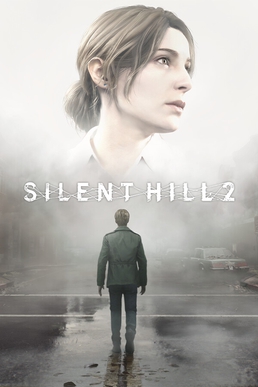
 Series: Silent Hill #2
 Published by KONAMI on Oct 7, 2024
Developer Bloober Team SA
Genres: Horror, Psychological Horror
Format: PC
ESRB Rating Mature 17+

“My name… is Maria,” the woman smiles, just like my late wife.
Having received a letter from his deceased wife, James heads to where they shared so many memories, in the hope of seeing her one more time: Silent Hill. There, by the lake, he finds a woman eerily similar to her…
Drawn back to the quiet resort town they once visited during happier times, James arrives to find Silent Hill shrouded in dense fog and unsettling silence. The streets are abandoned, yet something lingers beneath the stillness. As he searches for Mary, he encounters disturbing creatures and other troubled individuals who appear trapped in their own personal nightmares.
The mysterious Maria, who looks almost identical to Mary yet behaves entirely differently, deepens the enigma surrounding the letter. Her presence forces James to question his memories, his grief, and the truth of what happened three years ago.
As the town shifts and reality begins to fracture, Silent Hill becomes more than a physical place. It transforms into a psychological labyrinth shaped by guilt, trauma, and suppressed truths. What begins as a desperate search for a lost loved one gradually becomes a harrowing confrontation with the past.
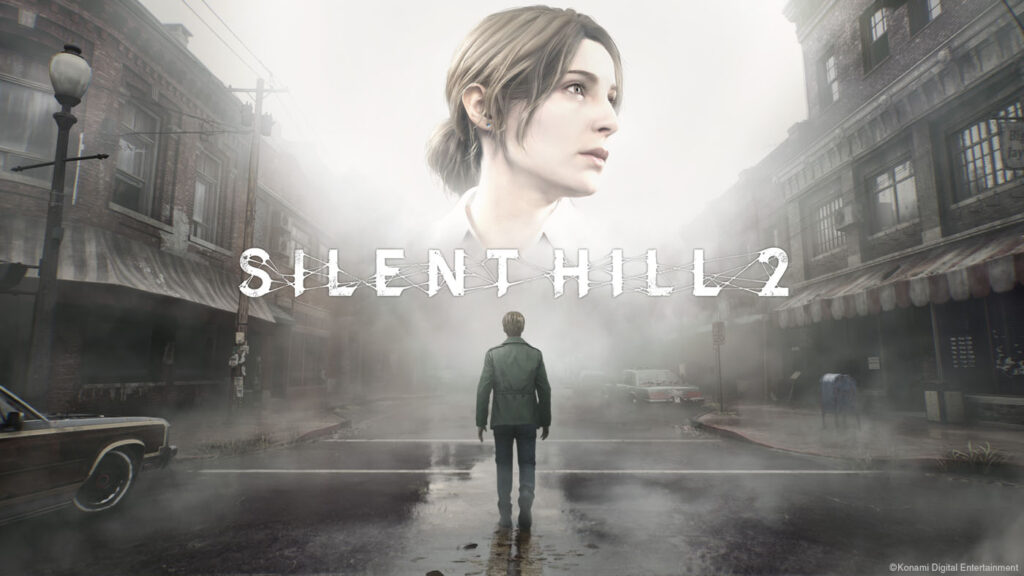
First off, let me say that I don’t think video games have to be analyzed deeply by everyone who plays them. They can be purely entertainment, and that’s perfectly okay.
However, as is my nature, I often use the media I consume—whether it’s books, movies, or games—for self-reflection. I didn’t grow up with video games, and Silent Hill 2 is actually my very first playthrough of any game in the series. That gave me a raw, unfiltered experience of the story, untouched by nostalgia or expectation.
For those unfamiliar, Silent Hill 2 follows James Sunderland, who travels to the fog-covered town of Silent Hill after receiving a mysterious letter from his late wife, Mary. What unfolds is less about monsters in the streets and more about the monsters within—guilt, grief, shame, and repression. The town twists around James’s psyche, confronting him with distorted reflections of his inner world. Along the way, he encounters other characters—each carrying their own trauma and personal demons—which makes Silent Hill feel less like a haunted place and more like a mirror held up to human suffering.
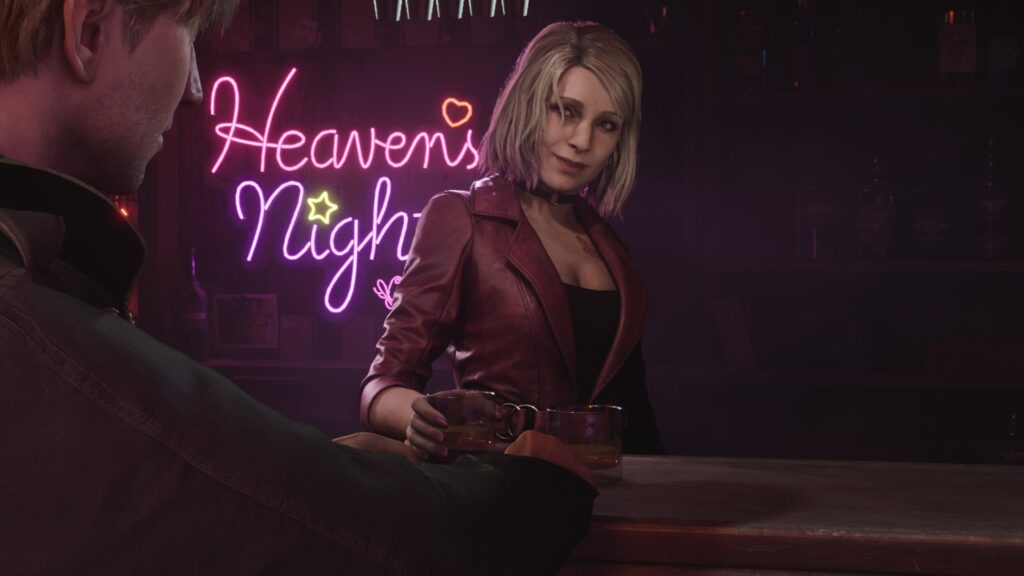
From the start, something felt off about James and his hallucinations of Maria, a woman who looks strikingly similar to his deceased wife but behaves nothing like her. At times, he seems captivated by her; at others, almost repulsed. I initially interpreted that tension as guilt from infidelity—or perhaps even just the fantasy of it. But as I played further, the dynamic between James and Maria became more layered, more intimate, and uncomfortably human.
What disturbed me just as much as her behavior were Maria’s physical features. She was beautiful at first glance, but something about her always felt slightly wrong. Her hands seemed almost too large, her face subtly distorted in ways you couldn’t quite name. She was close enough to Mary to stir James’s grief and desire, but not close enough to feel real. That strangeness made her like a dream you wake from and can’t fully describe—part familiar, part grotesque. For me, her uncanny quality mirrored the way illness can distort your own self-image: recognizable, yet no longer quite the same.
The Monsters We Make
Is Silent Hill even real?
We know, canonically, that the town exists—that Eddie, Angela, and Laura are real people drawn there for reasons of their own. But Silent Hill doesn’t behave like an ordinary place. It functions more like a psychological landscape.
Only Maria is a true manifestation of James’s psyche—an embodiment of his desire, guilt, repression, and the imperfection of memory. She is not Mary, but he shapes her. She represents what he remembers, what he longs for, and what he cannot confront.
Silent Hill was never just a town—it was a mirror, reflecting the fears, regrets, and pain of those who entered it.
The hostile environment reflects internal suffering. The fog obscures clarity, the way trauma distorts memory. The monsters force each character to confront the parts of themselves they hate most—guilt, shame, rage, humiliation, self-loathing.
People are complicated. Some are cruel. Some are wounded and lash out. Some become both.
What makes Silent Hill terrifying isn’t that it punishes evil—it’s that it externalizes unresolved trauma. Each character is, in some way, living inside a hell shaped by their own pain. And what’s most haunting is that sometimes that hell isn’t born from pure malice. Sometimes it grows from abuse endured, shame internalized, and violence that echoes forward in distorted forms.
It made me wonder: Is there really a separate hell waiting for us? Or do some of us already live inside it—trapped in patterns born from trauma, reacting from wounds that were never given space to heal?
Mary, James, and the Fear of Being ‘Too Much’
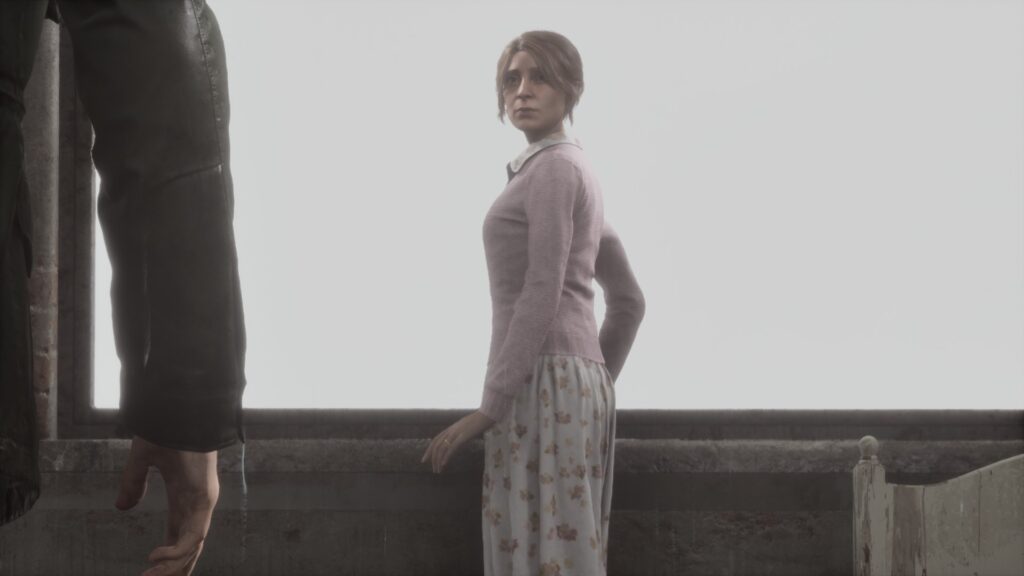
As a person living with Ehlers-Danlos Syndrome, Postural Orthostatic Tachycardia, Complex PTSD, and several other chronic illnesses, I found myself deeply shaken by James taking Mary’s life. I understand what it feels like to fear becoming “too much.” I understand the quiet anxiety that someone you love might one day grow tired of the weight of your illness.
There is a particular vulnerability in needing care. It can warp your self-image. It can make anger surface in ways you don’t recognize. It can make you lash out at the people you love most—not because you hate them, but because you hate what your life has become.
That’s why Mary’s anger made sense to me. Not as cruelty. Not as justification. But as pain.
At the same time, caregiving exists under enormous strain. In the United States alone, approximately 42 million people serve as unpaid family caregivers. On average, they provide around 24 hours of care per week, often for four years or more. Between 40% and 70% report symptoms of depression, and nearly a quarter say their own physical health has declined because of caregiving responsibilities. Many pay thousands of dollars out of pocket each year, sometimes sacrificing career opportunities or financial stability in the process.
These numbers don’t excuse violence. But they reveal how unsupported caregiving can become a pressure cooker—especially in systems where respite care and institutional support are limited or inaccessible.
In rare and tragic instances, that pressure has contributed to acts of violence. Research into caregiver-perpetrated homicide shows complex patterns: burnout, untreated depression, mental illness, desperation, and financial stress. These cases are not the norm—but they are reminders of what can happen when suffering goes unaddressed on both sides of the relationship.
And this is where things become complicated.
I can acknowledge caregiver strain without accepting the idea that Mary was to blame for what happened to her. Abuse is abuse. Understanding pressure is not the same as justifying harm.
What troubles me most is how often people subtly shift responsibility onto Mary—as if her sadness, anger, or despair made James’s actions understandable. That way of thinking mirrors a real-world pattern in which disabled or chronically ill people are treated as though our suffering makes mistreatment inevitable.
Mary wasn’t a monster. She was a woman in pain.
And James chose to silence that pain rather than sit with it. That choice makes him not just tragic—but frighteningly real.
Conclusion: Reflections on Mary, Maria, and Empathy
Silent Hill 2 left me shaken—not because of its creatures, but because of its humanity. Mary and Maria serve as two sides of the same coin: one real, one imagined, both reflecting the weight of suffering and the longing for connection. Maria’s distorted features mirror memory and grief—the imperfect, sometimes painful way we hold onto lost loved ones—while Mary embodies the raw vulnerability of illness, fear, and being misunderstood.
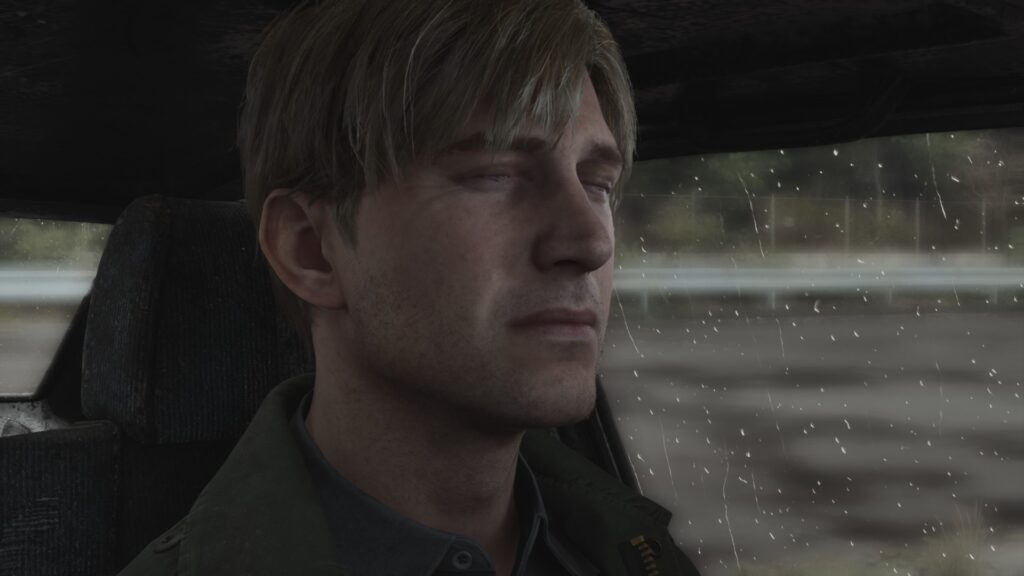
As a woman with a disability, playing this game felt like being confronted with parts of myself: the fear of being “too much,” and the fragile balance between loving and being loved under strain. It reminded me that empathy and support—whether in fiction or reality—are not luxuries. They are necessities. Games can illuminate truths about the human condition, becoming not just entertainment but tools for reflection and compassion.
Silent Hill 2 is terrifying, yes—but more than that, it is profoundly human. And that is why it resonates with me.
CW / TW:
This piece contains references to:
Sexual assault of a child, Child abuse, Child neglect, Death of a parent, Bullying, Addiction, Depression, Mental Illness, Strong Language, Blood and Gore, Sexual Themes, and Violence.
Recommended Age: 17+
Sources & Further Reading
- New U.S. Workforce Report: Nearly 70% of family caregivers have difficulty balancing caregiving with work responsibilities (AARP & S&P Global). https://www.aarp.org/press/releases/2024-5-16-us-workforce-report-70-caregivers-difficulty-balancing-career-caregiving-responsibilities-spurring-long-term-impacts-to-us-economy
- Caregiver Statistics: Burden and Health Impacts in the U.S. (ZIPDO Education 2026). https://zipdo.co/caregiver-statistics
- Caregiver Burnout Report – Caring.com. https://www.caring.com/resources/effect-of-caring-on-caregiver
- Unpaid Family Caregiving and Its Burdens – JAMA Health Forum (caregiving’s emotional and economic impact).https://jamanetwork.com/journals/jama-health-forum/fullarticle/2805890